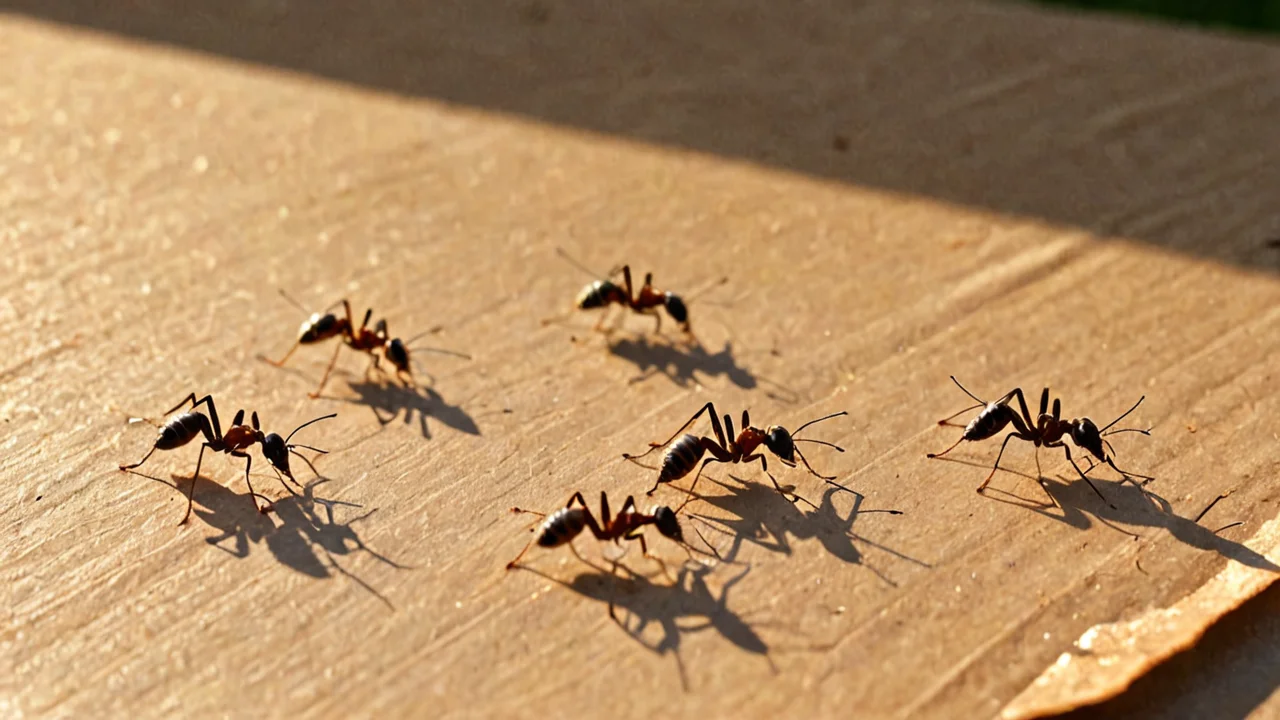
Feed hummingbirds a solution of 1 part refined white sugar to 4 parts water — one cup of sugar in four cups of water — and clean the feeder on a schedule set by the thermometer, not the calendar: once a week in the cool weeks of spring and fall, at least twice a week in summer, and every other day as the general default against mold. Everything else in backyard pest management follows the same logic. The pest is rarely the real problem; the conditions that let it breed are, and those conditions are almost always something you control — a food source, a water source, a shelter gap, a schedule you let slide.
Start with the schedule, not the spray
Most backyard pest problems are management problems before they are infestation problems, and the cheapest intervention is a timing change. The hummingbird feeder is the cleanest example because the failure mode is so visible: nectar ferments and grows mold in warm weather, birds either abandon the feeder or pick up a bacterial infection, and the fix is not a product but an interval. In cooler weather — spring and fall — a complete empty, wash, and refill once per week holds. In summer heat, that same feeder needs cleaning and refilling at least twice per week, ideally every other day. Every other day is also the general interval that keeps mold from establishing at all.
Notice what that costs you. A feeder cleaned every other day through a hot summer is roughly three to four cleanings a week, each one a disassembly, a brush, a rinse, and a fresh batch of syrup. If you run four feeders, that is a real chore load and the honest reason most people quietly fall back to weekly and then wonder why birds stop coming in August. The trade-off is real: fewer feeders cleaned properly beats a row of feeders cleaned badly. Size the operation to the schedule you will actually keep.
Two things go wrong with the recipe itself. First, people strengthen it, reasoning that more sugar means more energy. It does not work that way — the 4:1 concentration balances energy supply against a viscosity the birds can move through their bills and digest safely, and it approximates the sucrose concentration of natural flower nectar. Stronger syrup spoils faster and draws more insects. Second, people substitute. Refined white sugar dissolves clean and keeps; honey, raw sugar, and colored mixes introduce compounds and dyes the birds do not need, and honey in particular is a known spoilage risk in feeders. Plain white sugar, plain water, nothing else.
The limits: this is a maintenance protocol, not a rescue. If a feeder has already gone cloudy, stringy, or smells fermented, cleaning it and refilling is the correct move but the birds have already moved on for that stretch, and they may not return to that spot for a while. Consistency matters more than any single cleaning.
Identify before you act
Before any treatment, get the identification right, because the wrong ID sends you down an expensive path. The distinction that matters most is between a pest you can manage by exclusion and a pest that requires a control measure — and the practical test is whether you can find the entry point or the breeding site. Ants trailing into a feeder, wasps hovering at the ports, rodents in a garage, squirrels on a baffle: each of these has a physical route in, and closing that route usually outperforms any bait or spray. A pest you cannot locate the source of is a different problem, and reaching for a broad insecticide before you know what you are killing is how people wipe out pollinators and beneficial predators while the target species rebounds faster than its predators do.
Do the boring reconnaissance first. Look at the time of day the pest appears — ants and wasps have different peak activity, and rodents are largely nocturnal. Look at what is directly under and around the attractant: spilled seed, dropped nectar, standing water in a saucer, a compost pile against the house. Check the seams, thresholds, and utility penetrations rather than the open spaces. In most cases the evidence points at one of three things: food left out, water pooling, or a gap in the building envelope.
The trade-off here is time. Identification and source-tracing can eat an afternoon, and if you have an active indoor infestation the urge is to skip it. Indoors, skip less — the species determines the treatment, and using the wrong one wastes money and can make the problem worse by scattering the colony. Outdoors, in a garden or around feeders, the tolerance for a slow approach is much higher and the cost of a wrong spray is much larger.
Exclusion first, and what it actually costs
Physical exclusion is the highest-return investment in the whole discipline: screens, caulk, door sweeps, hardware cloth, baffles, feeder moats, and sealed storage. It is also the option people skip because it is unglamorous and requires a Saturday. The logic is straightforward — a pest that cannot get in does not need to be killed, and a barrier keeps working after the season ends while a spray does not.
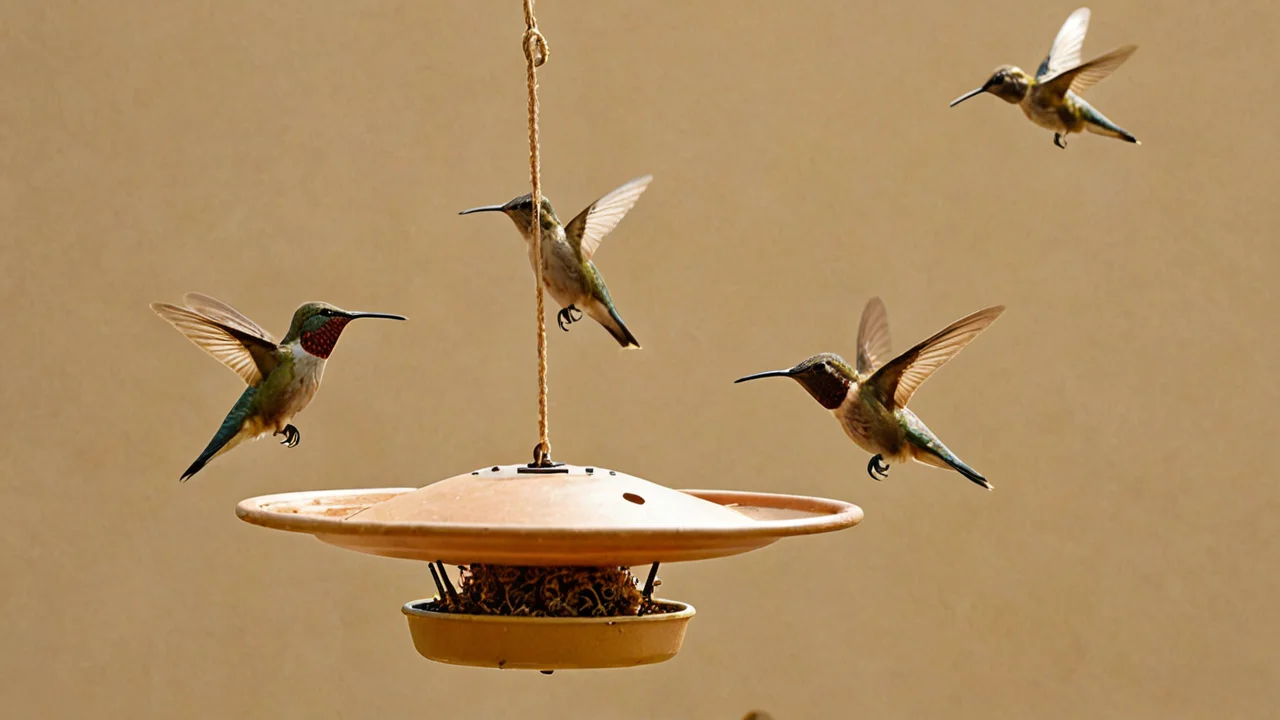
For feeders specifically, the exclusion layer is small and cheap. An ant moat filled with plain water stops the trailing line. A baffle above or below a hanging feeder handles squirrels. Keeping the feeder a reasonable distance from branches and structures reduces the launch points for both. None of this requires chemicals, and all of it fails if you install it once and never check it — a clogged moat, a baffle that has slipped, a screen with a torn corner. Inspect the barrier on the same cadence as the cleaning schedule; it is the same trip.
What exclusion costs is the willingness to accept that some pests will still get through. A sealed kitchen still gets the occasional ant. A baffled feeder still gets wasps on a windy day. The realistic target is not zero pests but a population below the level where it damages anything — and that threshold is different for a feeder, a vegetable bed, and a pantry. Exclusion is the wrong choice only when the pest is already established inside the structure; then you need to remove the population first and seal afterward, or you trap them in with you.
Water, shelter, and the conditions that breed pests
Standing water is the single most underrated driver of backyard pest populations. Saucers under potted plants, clogged gutters, birdbaths you have not refreshed, the drip tray under a hummingbird feeder — any of these will produce mosquitoes in warm weather, and mosquitoes do not respond to sugar-water schedules or baffles. Refresh and dump standing water on a regular cadence, and treat the birdbath the same way you treat the feeder: empty, scrub, refill, on a schedule you can keep. The feeder cleaning interval and the water-refresh interval should live on the same list.
Shelter is the second driver and the harder one, because the shelter a pest wants is often the shelter a beneficial animal wants too. Dense ground cover, brush piles, woodpiles against the house, and overgrown foundation plantings all hold moisture and give rodents and insects a place to overwinter. Moving a woodpile away from the structure and thinning the vegetation right against the foundation reduces the population without removing habitat from the yard as a whole. The trade-off is aesthetic and ecological: a tidy foundation strip is less cover for the insects and small animals you actually want, so the goal is distance, not elimination.
The failure mode to watch for is a moisture problem masquerading as a pest problem. Recurring ants in a kitchen, recurring silverfish in a bathroom, recurring mold in a feeder — those point at a leak, a condensation issue, or a cleaning interval that is too long for the conditions. Treating the symptom with a spray will not hold for more than a few weeks. Fix the moisture and the pest pressure drops on its own.
When and how to use a control measure
Use a targeted control measure only after exclusion and sanitation have been tried and the pest is still above your threshold. The decision sequence matters more than the product: identify the species, find the source, remove the source, then — if the population is still unacceptable — choose the narrowest measure that addresses that species. A bait formulated for the species you have is a different tool from a broad-contact spray, and the difference shows up in what else dies.
Timing is most of the effectiveness. Baits work best when the pest is actively foraging and the weather is not driving them into shelter — cool, wet, or very hot conditions reduce bait acceptance. Contact sprays applied in the heat of the day break down faster and hit pollinators that are out working; early morning or late evening applications, when the target is active and the beneficials are not, are the standard compromise. Never apply a control measure to a hummingbird feeder itself. The feeder protocol is cleaning and physical exclusion; anything you spray near a feeder risks the birds directly.
The honest cost of control measures is the collateral damage and the rebound. Broad sprays kill predators and parasitoids along with the pest, and the pest — with a shorter generation time and often a wider host range — comes back first. That is how a small aphid problem becomes a recurring one. Reserve the spray for the case where the population is genuinely damaging something, use the narrowest formulation, and accept that you will need to re-scout rather than assume one application closed the matter.
Seasonal rhythm and the mistakes that repeat
Pest management runs on a seasonal clock, and getting ahead of it is worth more than any single product. Cool spring and fall weeks are the low-pressure window: feeder cleanings can stretch to once a week, and this is when you do the exclusion work — sealing gaps, screening vents, moving woodpiles, checking the building envelope — because the pests are not yet active enough to exploit the gaps you miss. Summer is the high-pressure window: feeder cleanings tighten to at least twice a week and ideally every other day, standing water needs dumping constantly, and any control measure you use has to account for a yard full of active pollinators.
The recurring mistakes are consistent enough to list. Cleaning the feeder on the calendar instead of the thermometer, so a hot week catches you with spoiled nectar. Strengthening the sugar ratio past 4:1 because it feels more generous. Spraying before identifying, which trades one pest for a rebound and a dead pollinator population. Installing exclusion once and never inspecting it. Treating a moisture problem as an insect problem. And sizing the whole operation — feeders, traps, barriers — to the schedule you wish you kept rather than the one you will.
The limits of all of this: management is not eradication, and a yard with zero pests is a yard with no food web. The target is a population you can live with, a schedule you can keep, and a set of barriers that fail visibly rather than silently. When a problem outgrows that — an active indoor infestation, a structural rodent issue, a wasp nest in a high-traffic area — the right move is a professional, and the right time is before you have sprayed a broad-spectrum product around the perimeter and complicated their job.
What a feeder that's already spoiled looks like
Cloudy nectar goes first, then stringy sediment, then a sour smell at the ports — and by the time you smell it, the birds have usually quit that feeder for days. The visible clue is the fluid itself: fresh 4:1 syrup is clear and thin, and spoiled syrup turns hazy or develops dark specks that cling to the inside of the reservoir. In summer heat, that slide happens faster than the cleaning interval suggests, which is why the hot-weather standard is at least twice a week and ideally every other day. A feeder that looks fine on day three in July often isn't; empty it into the sink and check the bottom of the bottle before you trust it.
Ant moats, wasps, and keeping the ports clear
Fill an ant moat with plain water and keep it filled — a dry moat is a bridge. Ants trail up the hanger, not the feeder body, so the moat has to sit between the hook and the reservoir with nothing bridging it. Wasps are a different problem: they come for the nectar itself, and the practical defense is a feeder with bee guards or a saucer style that keeps the surface below the port lip. Neither is perfect on a windy day.
The trade-off is maintenance load. Moats evaporate, guards clog with dried syrup, and every one of those failures is silent until you look. Check them on the same trip as the cleaning — empty, scrub, refill, and top up the moat while you're holding the feeder anyway.